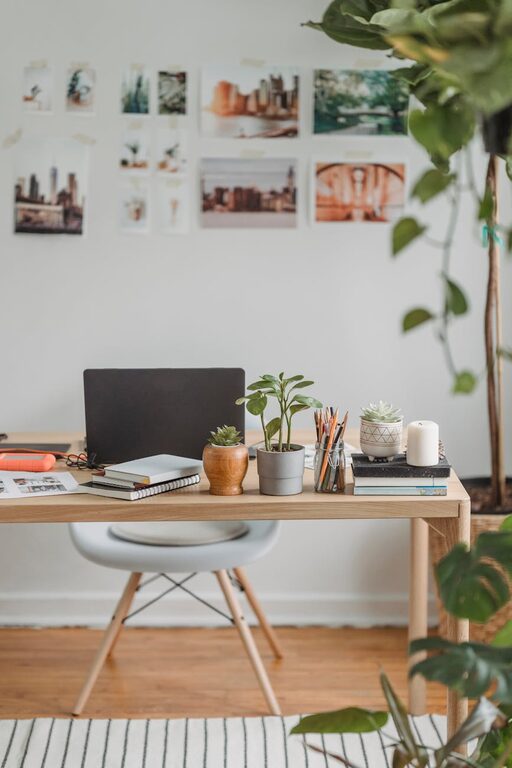
Creating a relaxing home office environment is essential for maintaining productivity, focus, and well-being while working from home. A space that feels calm and inviting can make long work hours more enjoyable and reduce stress. Whether you are setting up a new office or refreshing your current space, these tips will help you design a home office that promotes relaxation and efficiency.
1. Choose the Right Location
Selecting the best spot in your home for a home office is a crucial first step.
– Natural Light: Try to position your desk near a window to benefit from natural daylight. Natural light boosts mood and reduces eye strain.
– Quiet Area: Pick a place away from noisy appliances, television, or high-traffic areas. A calm corner or a spare room works well.
– Minimal Distractions: Ensure the area is free from distractions like clutter or household noise to help you stay focused.
2. Invest in Comfortable Furniture
Comfort is key when you spend hours working at a desk.
– Ergonomic Chair: Choose an ergonomic chair that supports your back and encourages good posture.
– Proper Desk Height: Your desk should allow your elbows to rest at a 90-degree angle to avoid strain.
– Adjustable Accessories: Consider a monitor stand, keyboard tray, or footrest to further enhance comfort.
3. Declutter and Organize
A tidy space promotes a tidy mind.
– Keep Surfaces Clear: Limit items on your desk to essentials like your computer, notepad, or a lamp.
– Use Storage Solutions: Invest in filing cabinets, shelves, or organizers to keep paperwork and supplies out of sight.
– Daily Cleanup: Allocate a few minutes at the end of each day to restore order, making the next workday start fresh.
4. Incorporate Calming Colors
Colors affect mood and productivity.
– Choose Soft Tones: Light blues, greens, and neutrals tend to promote calmness.
– Personal Touches: Add artwork or decorations in colors that you find soothing without overwhelming the space.
– Avoid Bright, Jarring Shades: These can be distracting or increase anxiety.
5. Add Greenery
Plants bring life and a sense of calm into your workspace.
– Easy-to-Care Plants: Succulents, snake plants, or pothos require minimal maintenance.
– Air Quality: Plants can improve air quality and reduce fatigue.
– Visual Interest: A few small plants placed on your desk or shelves can create a refreshing atmosphere.
6. Control Lighting
Proper lighting reduces eye strain and creates a cozy yet productive environment.
– Layered Lighting: Use a combination of natural light, overhead lighting, and task lamps.
– Adjustable Lamps: Desk lamps with adjustable brightness or color temperature help customize your lighting for various tasks.
– Avoid Glare: Position screens away from direct light sources to minimize reflections.
7. Minimize Noise
Reducing noise helps maintain concentration.
– Noise-Canceling Headphones: Useful for blocking out distractions if your home is noisy.
– Soft Textiles: Rugs, curtains, and cushions help absorb sound.
– White Noise Machines: These devices can mask background noises with consistent, soothing sounds.
8. Maintain Good Air Quality
Fresh air supports alertness and health.
– Ventilation: Open windows regularly or use fans to keep air circulating.
– Air Purifiers: Consider small air purifiers if your area has poor air quality.
– Avoid Overheating: A comfortable temperature prevents discomfort and distraction.
9. Personalize Your Space Thoughtfully
While a relaxing office should be minimal, it should also feel like your own.
– Inspirational Items: Display photos, quotes, or small artwork that motivate you.
– Comfort Items: A favorite mug, cozy blanket, or stress ball can add comfort without clutter.
– Balance: Avoid overcrowding your space to keep it calming.
10. Take Breaks and Stretch
Even the most relaxing environment needs regular movement.
– Scheduled Breaks: Set reminders to stand, stretch, or walk every hour.
– Create a Break Zone: If possible, have a separate area for breaks with comfortable seating.
– Breathing or Meditation: Incorporate short relaxation techniques to refresh your mind.
—
Final Thoughts
A relaxing home office environment combines comfort, organization, lighting, and personal touches to foster productivity and well-being. By thoughtfully designing your workspace with these tips, you can create a calm sanctuary that supports your work goals and mental health. Remember that your home office will evolve over time, so don’t hesitate to make changes to keep it inviting and functional.